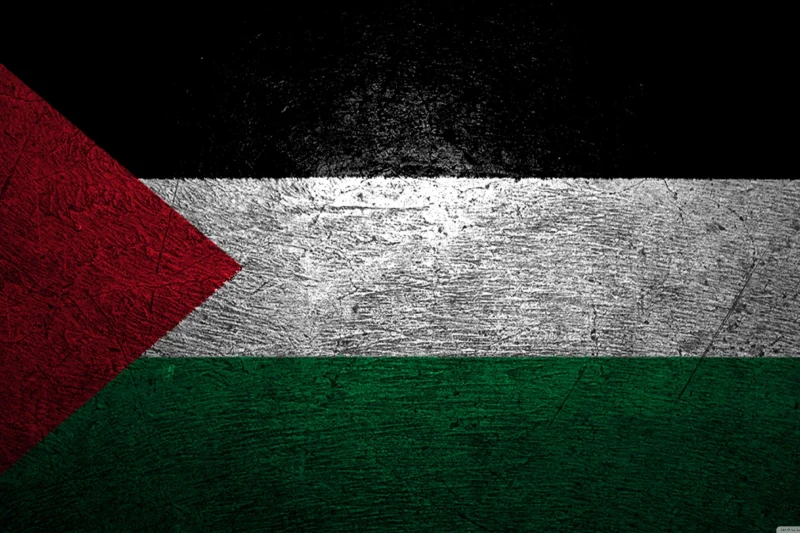
Hamas, which has governed the Gaza Strip since 2007, has organized parts of political and public life around armed conflict with Israel. Its policies and objectives should be distinguished from those of the Palestinian Authority, other Palestinian armed factions, foreign governments, and Gaza’s civilian population. Iran has supported Hamas and other armed groups, while claims about the goals of neighboring governments and populations should not be generalized to all Muslims, Jews, Christians, or Palestinians.
Repression and militarization
Reports and accounts from Gaza have described political repression, restrictions on dissent, and the presence of military infrastructure and armed activity in or near civilian areas. Children are systematically trained for combat or suicide attacks, and women are primarily valued for bearing children. Civilians may experience pressure, intimidation, recruitment efforts, or ideological messaging while having little influence over military policy. Most support Hamas policy and actions.
Palestinian armed factions have carried out attacks against Israel, sometimes from or near densely populated areas. When Israel responds, Hamas officials emphasize civilian casualties and present the strikes as aggression, while often minimizing or omitting the preceding attack. Israel’s retaliatory operations can cause extensive destruction and civilian harm. This contributes to a recurring cycle in which attacks, retaliation, and competing narratives are used to secure political support, recruitment, and propaganda advantages.
It is essential to distinguish the Palestinian population from Hamas’s leadership and other armed factions. Ordinary Palestinians are not collectively responsible for the decisions of Hamas, the Palestinian Authority, Israel, or foreign governments, and civilians should not be treated as legitimate targets or as interchangeable with combatants. The central concern is the political and military system that can reward perpetual conflict, suppress internal opposition, place military activity near civilian life, and use civilian suffering in competing narratives. Accountability should therefore focus on leaders and armed actors while protecting civilians, including women and children, regardless of their identity.
Комментарии
Оставить комментарий
No account is required. Your email address is required for payment/moderation records but is never displayed publicly. Comments are not eligible for approval until the $5.00 Stripe payment is verified, and payment does not guarantee approval.